
A complex equipment move does not start when the truck arrives.
It starts with verifying and inspecting the move site.
Before equipment reaches the dock, the space needs to be ready for the delivery, the route, the vendors, the handling method, and the timing. If those details are not checked ahead of move day, even a well-planned delivery can slow down fast.
Site readiness for complex equipment moves means checking the real conditions that affect the work: dock access, staging space, route measurements, floor protection, surface conditions, vendor timing, and communication.
What does site readiness mean for a complex equipment move?
Site readiness means more than having an open doorway or an empty space.
It means the building, dock, route, and staging areas have been reviewed against the equipment being moved. The team should understand where the equipment enters, where it pauses, how it moves through the site, and who needs to be involved at each step.
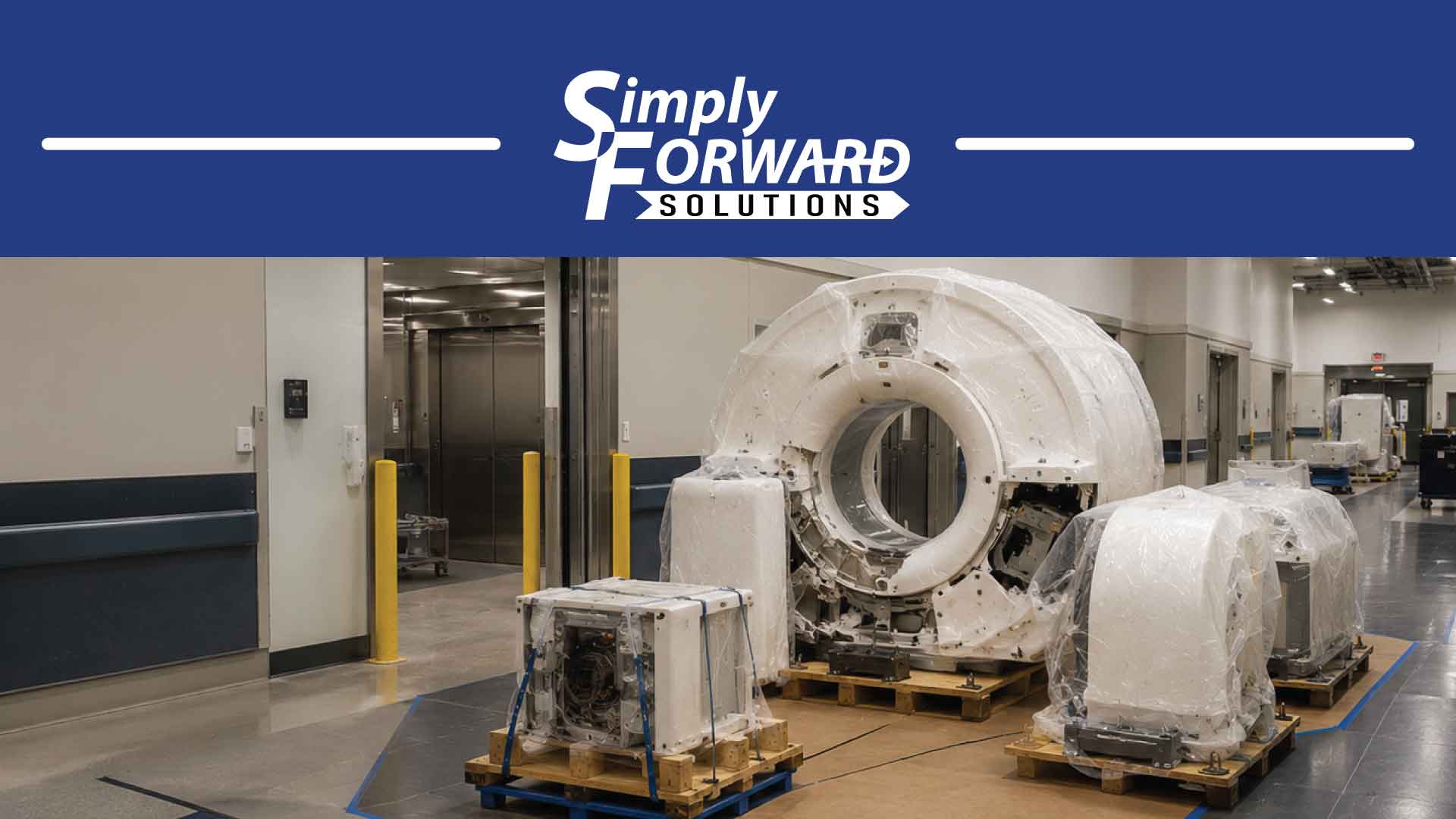
A site can look ready at-a-glance and still create problems once a large crate, imaging unit, machine, or specialized load is on-site.
Is the loading dock ready for the equipment delivery?
The loading dock is one of the first places to check.
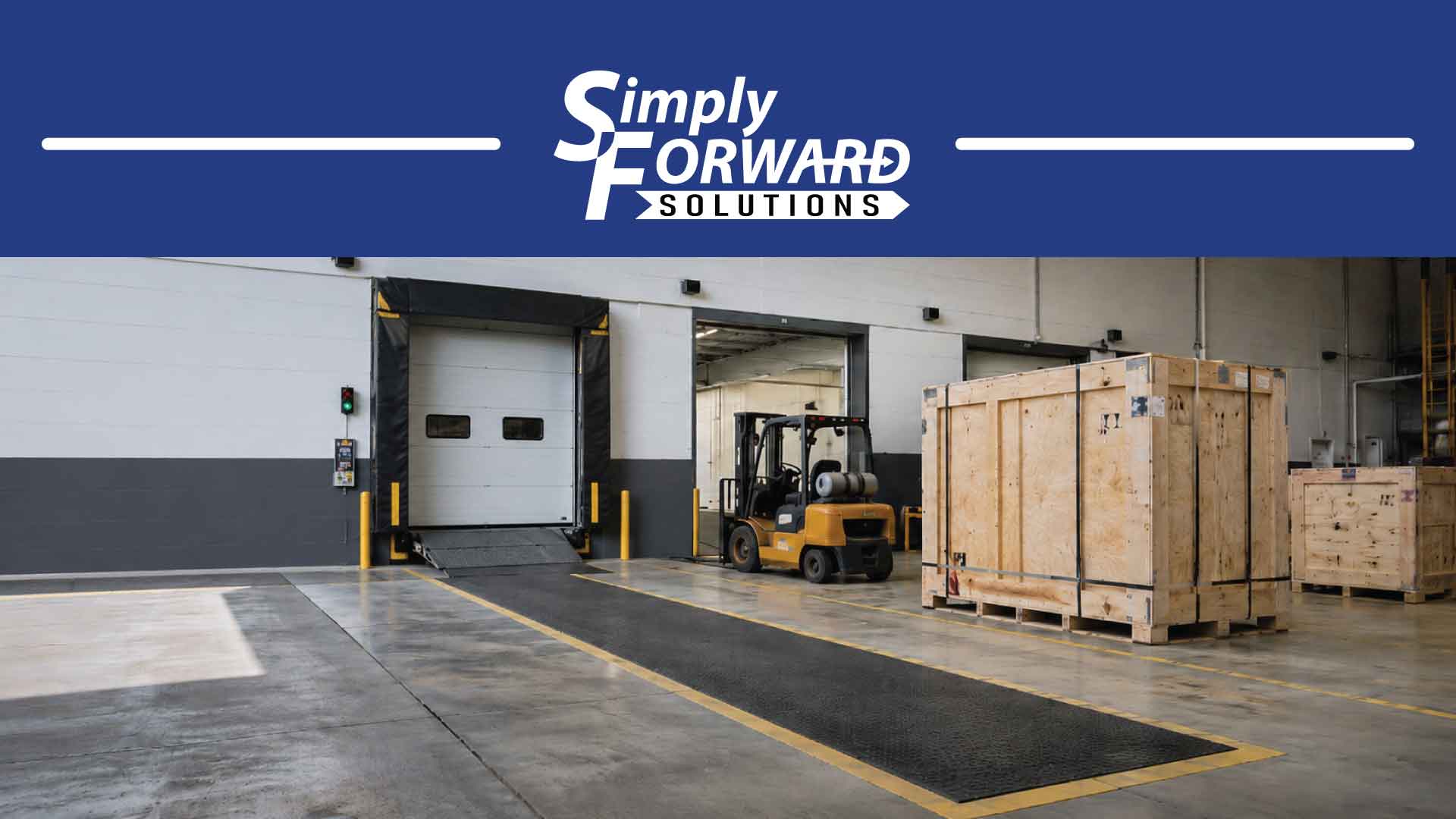
Dock access affects truck positioning, unloading, equipment transfer, vendor timing, and traffic around the site. If the dock is shared with daily operations, deliveries, contractors, or facility staff, the schedule needs to account for that.
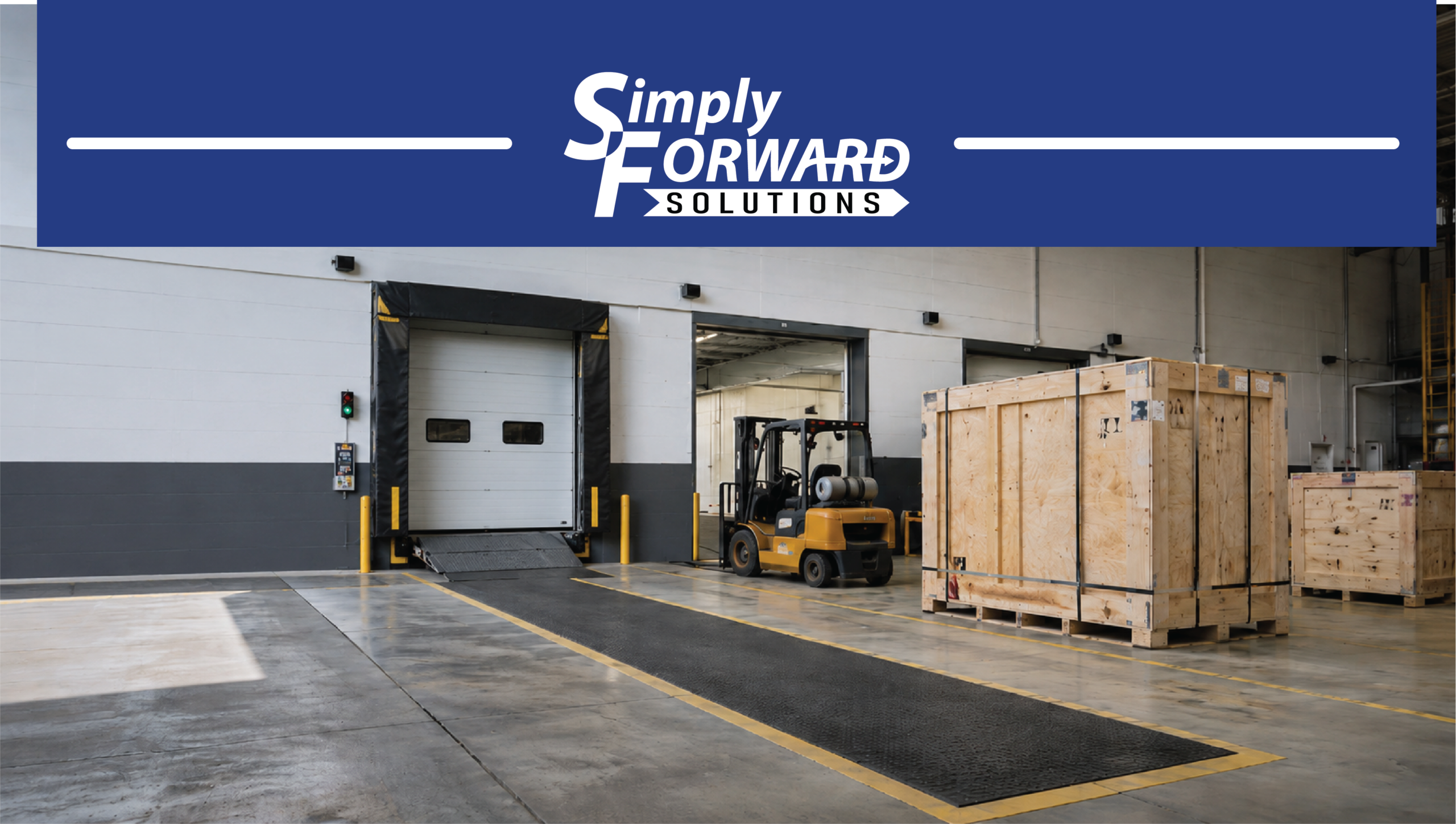
Good loading dock access planning should confirm dock availability, truck clearance, dock height, unloading space, delivery windows, and any restrictions that could affect the move.
A dock is not just an entry point. It is part of the move plan.
Has the route been measured, not just walked?
“Plenty of room” is not a site plan.
A route walk is useful, but measurements matter. Doorways, turns, hallways, elevators, ramps, slopes, overhead clearance, and service entries all need to be checked against the size of the equipment and the way it will be handled.
The route should also account for packaging, crates, skids, lifting points, turning space, and anything that could narrow the path on move day.
A path that looks open may still be too tight once the real equipment dimensions are involved.
Where will the equipment stage before it moves?
Staging space is planned space, not leftover space.
Complex equipment often needs a place to pause, unpack, inspect, transfer, reposition, or wait while vendors complete their part of the work. If staging is not planned, the team may end up using whatever space is available in the moment.
That can create delays, blocked routes, and confusion around who needs access to what area.
A good staging plan answers simple questions early:
- Where will the equipment wait?
- Where can the truck unload?
- Where can handling equipment operate?
- Where can vendors work without blocking the route?
- What areas need to stay clear?
Those questions may seem basic, but they can decide how smoothly move day goes.
Does the route need floor protection or surface planning?
The movement path should match the site conditions.
Some moves require floor protection, surface review, or extra planning around thresholds, ramps, tiles, finished floors, or sensitive facility areas. For heavy or specialized equipment, the team may also need to verify the total equipment weight and confirm that floors, pads, ramps, and access paths have adequate load capacity to safely support both the equipment and handling method utilized.
This is not about turning the move into a formal safety audit. It is about making sure the equipment, building, and route are ready for the actual movement.
Floor protection and surface planning also affect timing. If protection needs to be installed before the move starts, someone needs to know who is responsible and when it needs to be ready.
Are vendors working from the same move-day plan?
A complex equipment move usually involves more than one team.
The facility may be preparing the site. A freight carrier may be handling delivery. A rigging crew may be managing movement. Contractors or installers may need the space after the equipment arrives. Security, dock staff, project managers, and operations teams may also be involved.
If each group only knows its own piece, gaps can show up quickly.
Vendor readiness means the right people understand the timing, route, access points, staging plan, and responsibilities before move day begins.
What should be confirmed before move day?
A simple readiness review can prevent a lot of confusion.
Before the equipment arrives, confirm:
- Dock access and delivery window
- Truck positioning and unloading space
- Route measurements
- Doorways, turns, ramps, and overhead clearance
- Staging location
- Floor protection or surface needs
- Floor or route capacity concerns, when relevant
- Vendor arrival times
- Site restrictions
- Equipment handling requirements
- Main point of contact
This does not need to become a giant checklist. It just needs to be clear enough that everyone understands what is supposed to happen before the equipment starts moving.
Why does site readiness matter?
Site readiness helps the move start with fewer surprises.
When the dock, route, staging area, vendors, and timing are aligned, the team has a better chance of keeping the work controlled and moving in the right order.
When those details are unclear, the project can lose time before the equipment ever reaches its final location.
A complex equipment move is easier to manage when the site is ready for the plan.
Need help reviewing site readiness before a complex equipment move?
Planning a complex equipment move?
Simply Forward Solutions can help review the operational details before move day so dock access, staging, vendor timing, and lift planning are aligned before the equipment starts moving.