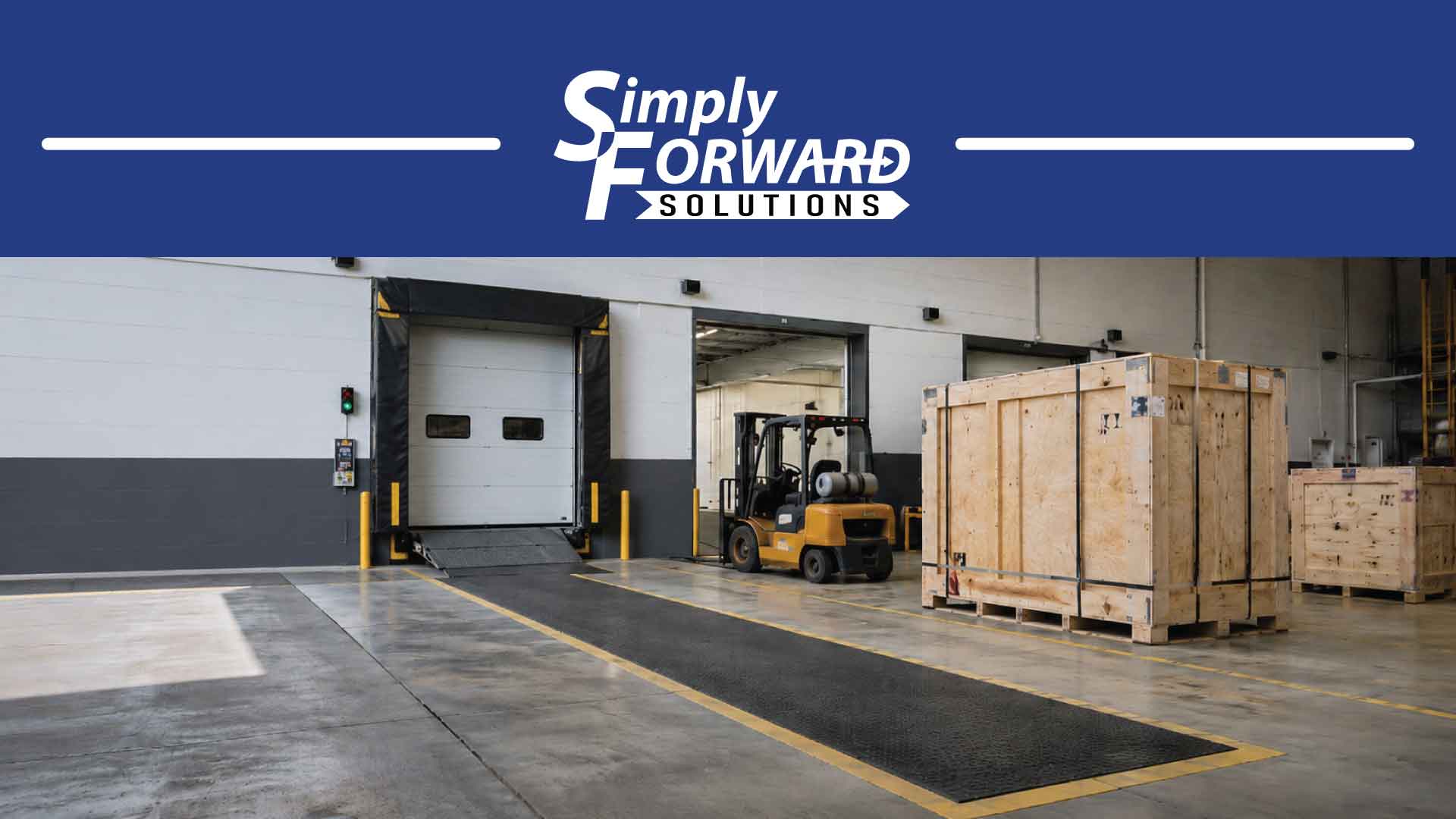
Complex lift projects rarely go sideways because one person forgot how to move equipment.
More often, the problem starts earlier. The site is not fully ready. The access route has not been confirmed. The dock timing is unclear. The equipment is coming, but the people, vendors, space, and plan are not lined up in the same direction yet.
Complex lift project planning starts before the truck reaches the site. Vendor coordination, access planning, staging space, dock scheduling, and lift operations coordination all need to work together before the equipment arrives.
A successful lift is not only about what happens when the equipment is on-site. It is about what has already been coordinated before the first crate, machine, imaging unit, or oversized load reaches the door.
What should complex lift project planning include before equipment arrives?
Before a complex lift begins, several moving pieces need to match up.
The facility needs to know where the equipment is entering. Vendors need to understand their timing and responsibilities. The rigging team needs enough detail to plan the movement. Dock access, staging space, route conditions, floor protection, and site restrictions all need to be reviewed before the schedule turns into a scramble.
When those details are handled early, the project has a cleaner path forward.
When they are not, the job can lose time before the real movement even starts.
Who owns vendor coordination in a heavy lifting project?
This is one of the biggest hidden issues in complex lift work.
A project may involve freight carriers, facility teams, rigging crews, contractors, manufacturers, installers, security teams, and internal operations staff. Everyone may be responsible for one part of the work, but that does not always mean someone is connecting the full picture.
In heavy lifting projects, vendor coordination is often the difference between a planned sequence and a site full of people waiting on each other.
Vendor coordination means making sure the right people know what is happening, when it is happening, and what they are responsible for.
It also means spotting gaps early. For example, the truck may be scheduled, but the dock may not be available. The equipment may be ready, but the installer may not arrive until later. The facility may have an access route, but no one has confirmed whether the turn radius, door clearance, or floor protection plan will actually work.
The lift itself may be technical, but the coordination around it is what keeps the project from becoming a timing problem.
Why does stagingspace matter in heavy equipment moves?
Staging space is easy to overlook until there is not enough of it.
Large equipment moves need more than a path from point A to point B. They often need a place to pause, position, inspect, transfer, unpack, protect, or reorient equipment before it continues through the site.
If staging space is not planned, crews may be forced to make decisions in real time. That can slow the project down and create unnecessary pressure on everyone involved.
Good staging answers practical questions early:
Where can the equipment safely wait?
Where can the truck unload?
Where can a forklift, telehandler, loader, or other equipment operate?
Where can vendors work without blocking the route?
What areas need to stay clear?
Those questions are not glamorous, but they are usually the difference between a controlled move and a crowded one.
How does dock scheduling affect complex lift projects?
Dock timing can quietly affect the whole project.
If a truck arrives before the space is ready, the schedule starts slipping. If the rigging crew arrives before the freight is available, people are waiting. If multiple vendors need the same dock, doorway, elevator, hallway, or service area at the same time, the project can turn into a traffic problem.
A dock is not just a door. It is part of the operation.
For complex lift projects, dock scheduling should be coordinated with the site schedule, delivery window, crew arrival, equipment requirements, and any restrictions the facility may have.
That planning helps keep the project moving in the right order.
Why does access planning matter before heavy equipment moves?
A quick walkthrough can be helpful, but it is not the same as access planning.
Access planning looks at the actual movement path. That includes doorways, turns, dock height, floor surfaces, slopes, elevators, overhead clearance, staging areas, and any areas that may need protection.
This matters for many types of complex equipment moves, including medical equipment, machinery, industrial equipment, and other high-value or hard-to-handle loads.
A route may look clear at first glance, but still create problems once real equipment dimensions, packaging, handling requirements, and site conditions are considered.
Access planning gives the project team a chance to solve those problems before arrival day.
Where do rigging consulting services fit into the plan?
Rigging consulting supports the technical side of the move.
It helps connect the physical realities of the load with the conditions of the site. That may include how the equipment will be lifted, transferred, positioned, supported, or moved through a difficult area.
Rigging consulting services are most useful when they are connected to the full project plan, not treated as a separate technical step after the schedule is already set.
The lift plan, site plan, vendor schedule, and access plan need to support each other. If one part changes, the others may need to be reviewed too.
That is why coordination matters. A good technical plan still needs the right people, timing, space, and site readiness around it.
How does site readiness reduce surprises before a complex lift?
The best way to reduce surprises is to slow the planning down before the project speeds up.
Site readiness means the route, dock, staging area, vendors, and lift plan have been checked against the real conditions of the building or jobsite.
That means confirming the route, checking site conditions, identifying vendor responsibilities, reviewing staging needs, coordinating dock timing, and making sure the plan fits the actual environment.
It also means asking plain, practical questions:
Who needs to be there?
What needs to be ready?
Where does the equipment go first?
What happens if the truck, crew, or site is not ready at the same time?
Who is responsible for solving each issue before arrival?
These questions help turn a complex lift from a loose collection of tasks into a coordinated operation.
What is the real goal before the equipment arrives?
The goal is not to make the project more complicated.
The goal is to remove confusion before it becomes expensive, stressful, or disruptive.
When vendors, logistics, access planning, staging, and lift planning are aligned early, the team has a better chance of keeping the project controlled from the start.
Complex lift projects do not begin when the equipment shows up.
They begin when the plan starts coming together.
Need help coordinating a complex lift?
Simply Forward Solutions helps bring vendors, logistics, and lift planning into alignment before complex equipment moves reach the site.
If your project involves tight access, multiple vendors, staging concerns, dock timing, or specialized equipment movement, early coordination can make the difference between reacting on-site and moving with a clear plan.